This article provides a guide on What is Digital Scent Marketing. If you’re interested in a detailed exploration, read on for extensive information and advice.
Now imagine if brands could bring this smell-based experience into the digital world—where you could smell coffee while browsing Starbucks online, or experience leather fragrance when shopping for luxury bags on Gucci’s e-store.
Welcome to the world of Digital Scent Marketing—an innovative marketing approach that uses technology to replicate and transmit scents in digital and physical environments.
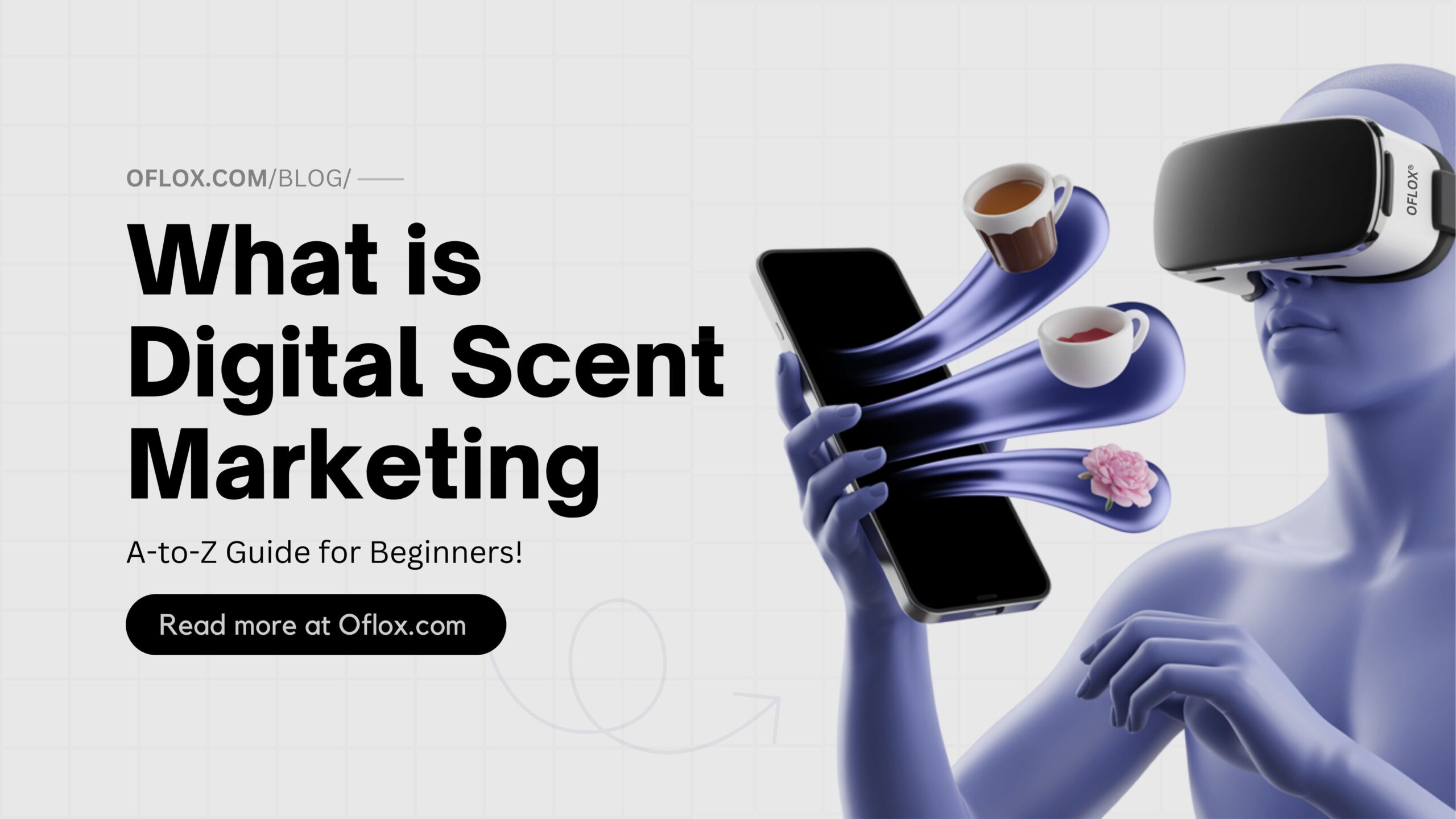
We’re exploring “What is Digital Scent Marketing” in this article, with all the key information at your fingertips.
Let’s explore it together!
Table of Contents
What is Digital Scent Marketing?
Digital scent marketing (also called olfactory marketing or digital aroma marketing) is the practice of using technology to recreate, distribute, and deliver scents in both digital and real-world marketing environments.
It takes the principles of traditional scent marketing (like retail stores using signature fragrances) and integrates them with digital technologies—such as VR headsets, scent diffusers, and smartphone add-ons.
Why does it matter?
- 75% of emotions are triggered by smell.
- People recall smells with 65% accuracy after a year, compared to only 50% for visual cues after three months.
- Scent increases brand recall and emotional connection far more than visuals or sound alone.
“Digital scent marketing is the invisible trigger that transforms brand experiences into unforgettable memories.” – Mr Rahman, CEO Oflox®
Types of Scent Marketing
To make the most of scent marketing, companies adopt different strategies. Below are the most common types:
- Ambient Scenting: Subtle background fragrances to improve atmosphere (e.g., fresh linen in clothing stores).
- Signature Scenting: A brand’s unique fragrance identity (e.g., Singapore Airlines’ exclusive scent).
- Thematic Scenting: Seasonal or event-based aromas (e.g., cinnamon during Christmas campaigns).
- Experiential Scenting: Immersive scent experiences in VR/AR and gaming.
- Product-Associated Scenting: Scents highlighting product qualities (e.g., leather in luxury cars).
- Point-of-Sale Scenting: Fragrances near checkouts to drive impulse buys.
- Digital Scent Marketing: Emerging tech delivering scents through devices and VR.
How Does Digital Scent Marketing Work?
At its core, digital scent marketing combines psychology and technology.
1. The Psychology of Smell in Marketing
- Smell directly impacts the limbic system (the brain’s emotional center).
- Certain scents influence mood, decisions, and purchasing behavior.
- Example: Coffee aroma makes people feel more alert, encouraging purchase.
2. The Technology Behind Digital Scent Marketing
- Scent diffusers: Devices that release programmable scents in a room (used in retail stores & hotels).
- Digital scent devices: Gadgets connected to PCs, VR, or smartphones that emit fragrance synced with digital experiences.
- AI-powered scent coding: Data-driven mapping of fragrance molecules to digital triggers (e.g., smell of roses when scrolling through a flower shop online).
- VR/AR integration: Scent is embedded into virtual reality headsets to make gaming, tourism, or shopping more immersive.
3. The Process
- Encoding scents → Chemical compositions are digitized.
- Storage in scent cartridges → Devices contain scent capsules.
- Triggering → Based on action (click, VR event, or location), the device releases a scent.
- Delivery → The consumer smells the fragrance in real-time.
Benefits of Digital Scent Marketing
Businesses exploring digital scent marketing experience unique advantages:
1. Emotional Branding
- Scents build stronger emotional bonds with customers.
- Example: A perfume ad that lets customers smell the fragrance digitally before buying online.
2. Stronger Brand Recall
- People remember brands better when scent is involved.
- Example: Starbucks customers associate the smell of coffee with their brand identity.
3. Increased Engagement
- Adding a scent layer to VR/AR experiences makes campaigns more interactive.
4. Higher Sales & Conversions
- Ambient scents in retail stores encourage impulse buying.
- Example: Dunkin’ Donuts used coffee aroma diffusers in buses during ads, increasing sales near bus stops by 29%.
5. Differentiation
- Unique “brand scents” act as a signature identity, much like logos and taglines.
Real-World Examples of Digital Scent Marketing
- Starbucks – Uses coffee aroma diffusers in and outside its stores to attract walk-ins.
- Dunkin’ Donuts Korea Campaign – Released coffee aroma in public buses while playing ads. Result: Store visits rose by 16%.
- Gucci & Dior – Luxury stores integrate signature fragrances to enhance the luxury experience.
- Singapore Airlines – Uses its own fragrance, “Stefan Floridian Waters,” across cabins, hot towels, and staff perfume.
- VR Gaming (FeelReal VR Mask) – Allows gamers to smell gunpowder, forest air, or burning rubber during gameplay.
- Oflox® – Experiments with digital scent strategies in marketing campaigns to create stronger emotional connections for Indian businesses.
Tools & Technologies in Digital Scent Marketing
Here are some popular tools and devices enabling digital scent experiences:
| Tool/Device | Key Features | Best For |
|---|---|---|
| Aromajoin | Digital scent displays; programmable scent cartridges | VR/AR experiences, events |
| Moodo | Smart scent diffuser; app-controlled | Retail, homes, marketing campaigns |
| FeelReal VR | VR mask with 255 scents; syncs with movies/games | Entertainment, gaming |
| Scentee | Smartphone-based scent device | Mobile marketing campaigns |
| Aroma Shooter | Cartridge-based instant scent delivery | Digital ads, live shows |
Challenges & Limitations
While promising, digital scent marketing also faces hurdles:
- High costs → Devices and scent cartridges are expensive.
- Limited reach → Adoption is low; not everyone owns VR/scent devices.
- Health concerns → Allergies and sensitivities must be managed.
- Scalability → Transmitting smell over the internet is still limited.
- Technology maturity → Still experimental; not widely commercialized.
Future of Digital Scent Marketing
The future looks promising, especially as AI, VR, and IoT evolve.
- Metaverse Shopping: Imagine walking in a virtual store and smelling fresh leather shoes.
- Digital Ads with Smells: Online niche fragrances or coffee ads may soon include a scent release option
- Healthcare & Therapy: Smell-based relaxation apps for stress relief.
- Food-tech Innovations: E-grocery stores allowing users to smell fresh produce online.
- Smell in Education: Virtual labs teaching biology with real-time scent simulation.
Actionable Tips for Businesses
Want to start experimenting with scent marketing?
- Start Offline First – Add ambient scents in your store, office, or events.
- Experiment with Digital Tools – Try devices like Moodo or Aroma Shooter.
- Use Signature Scents – Create a fragrance unique to your brand.
- Combine with Storytelling – Sync your scent with visuals, music, and branding.
- Measure Impact – Collect customer feedback and track engagement metrics.
FAQs:)
A. Mostly yes, but brands must ensure scents are hypoallergenic and safe for public use.
A. Yes, but prices are falling as new devices enter the market.
A. Retail, luxury brands, hospitality, airlines, gaming, and food industries.
A. Not fully yet, but scent devices can recreate pre-coded fragrances when triggered online.
A. It’s using technology to add smell experiences to marketing campaigns—online or offline.
Conclusion:)
Digital scent marketing is more than just a futuristic idea—it’s reshaping how brands connect emotionally with customers. From coffee aromas in ads to VR gaming with real smells, it brings experiences alive.
The challenge lies in cost and technology adoption, but the potential is limitless.
Read also:)
- What is Mobile Marketing: A-to-Z Guide for Beginners!
- What is Guerrilla Marketing: A-to-Z Guide for Beginners!
- What is Sensorial Marketing: A-to-Z Guide for Beginners!
Have you ever experienced a brand’s signature scent? Share your experience or ask your questions in the comments below — we’d love to hear from you!