This article provides a professional guide on “What is Freemium Model”, one of the most powerful and widely used business strategies in today’s digital world. Whether you are building a startup, launching a SaaS product, or running a mobile app, understanding this model can help you grow your user base and revenue faster.
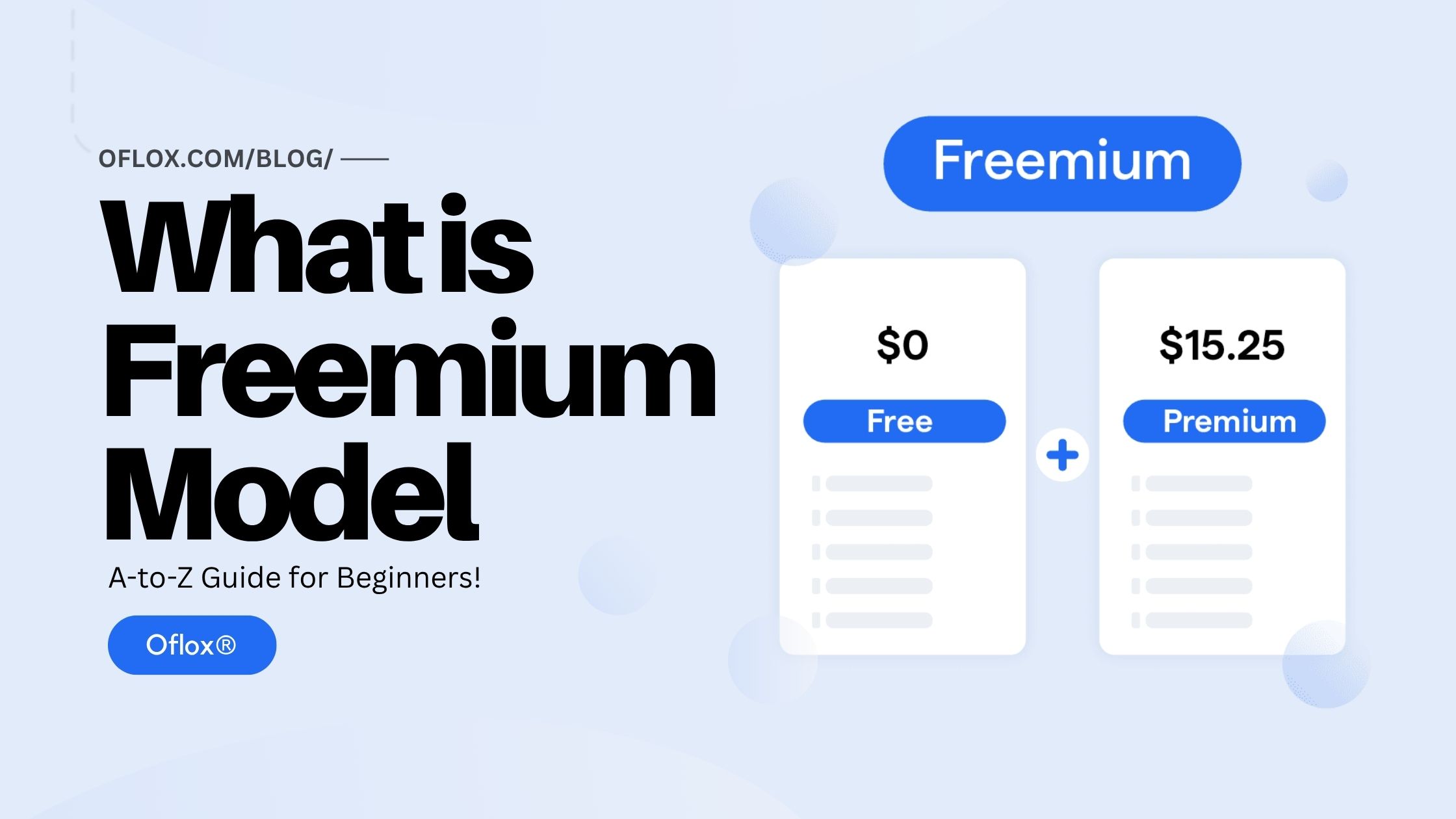
The freemium model is a pricing strategy where users get basic features for free, while advanced features are locked behind a paid plan. It combines the power of “free access” with “premium value,” making it highly effective for customer acquisition and monetization.
In today’s competitive market, companies like Spotify, Canva, Zoom, and Dropbox use this model to attract millions of users and convert them into paying customers.
In this article, we will explore everything from basics to advanced strategies, including real-world examples, advantages, disadvantages, tools, and actionable steps.
Let’s explore it together!
Table of Contents
What is Freemium Model
The freemium model is a business strategy where a company offers its product or service for free but charges users for advanced features, extra functionality, or premium benefits.
The word “Freemium” is a combination of:
- Free
- Premium
Simple Definition:
Freemium means giving users a free version of your product and encouraging them to upgrade to a paid version for better features.
Example:
- A user downloads an app for free
- Uses limited features
- Wants more → upgrades to paid plan
That is how freemium works.
Why Freemium Model is So Popular
The freemium model has become extremely popular because:
- It reduces entry barriers (no upfront cost)
- Users can try before buying
- Builds trust and brand loyalty
- Scales quickly in digital markets
Especially powerful in:
- SaaS (Software as a Service)
- Mobile apps
- Online tools
- Gaming platforms
How Freemium Model Works (Step-by-Step)
Here is a clear and practical breakdown of how the freemium model works in real business scenarios. This model focuses on attracting users with free access and then converting them into paying customers over time.
1. Offer a Free Version
In the first step, companies provide a free version of their product or service. This version includes basic features that allow users to understand and experience the product.
The goal is to remove any entry barrier so users can try the product without risk.
Example: Canva allows users to design graphics for free using limited templates and tools.
2. Attract a Large User Base
Since the product is free, it becomes easier to attract a large number of users quickly. People are more likely to sign up when there is no upfront cost.
This also helps in:
- Building brand awareness
- Increasing product reach
- Getting organic referrals
Free access works as a powerful marketing strategy.
3. Limit Features Strategically
After users join, companies apply smart limitations to the free version. Users get value, but some features are restricted to encourage upgrades.
Common limitations include:
- Limited storage
- Watermarks on downloads
- Advertisements
- Usage limits (daily/monthly)
- Locked premium tools
Example: Dropbox gives limited free storage, pushing users to upgrade when space runs out.
4. Introduce Premium Features
Next, companies offer advanced features through paid plans. These features provide more value and solve bigger problems.
Premium features often include:
- No ads
- More storage or usage
- Advanced tools
- Better performance
- Priority support
Example: Spotify Premium removes ads and allows offline listening.
5. Convert Users to Paid Plans
Finally, the goal is to convert free users into paying customers. This happens when users find value and want more features.
Companies use strategies like:
- Upgrade prompts
- Feature comparisons
- Discounts or offers
- Notifications when limits are reached
This process is called the conversion funnel.
Key Features of Freemium Model
The freemium model is built on several key features that make it effective for user growth and monetization. Let’s explore the core elements that define this model:
1. Free Entry Point
One of the biggest strengths of the freemium model is that users can start using the product for free. There is no upfront cost, which removes hesitation and makes it easy for anyone to try the service.
This increases:
- Sign-ups
- Product trials
- User trust
2. Easy Onboarding
Freemium products are usually designed with simple and user-friendly onboarding. Users can quickly understand how the product works without needing complex setup or training.
This helps in:
- Faster user adoption
- Better first impression
- Higher engagement
3. Scalable User Acquisition
Because the product is free, businesses can attract a large number of users at scale without spending heavily on marketing.
Benefits include:
- Organic growth
- Word-of-mouth promotion
- Viral expansion
4. Upselling Opportunities
Freemium models create natural opportunities to upsell premium features. Once users start getting value from the free version, they are more likely to upgrade.
Common upsell triggers:
- Feature limitations
- Usage limits
- Need for advanced tools
5. Data-Driven Optimization
Freemium businesses can collect valuable data from free users, such as:
- User behavior
- Feature usage
- Drop-off points
This data helps in:
- Improving product features
- Optimizing pricing strategy
- Increasing conversion rates
Types of Freemium Models
The freemium model comes in different forms depending on how businesses limit free access and encourage upgrades. Let’s explore the main types of freemium models used in real-world applications:
1. Feature-Based Freemium
In this model, users get access to basic features for free, while advanced or premium features are locked behind a paid plan.
This is one of the most common types of freemium models, especially in SaaS and design tools.
Free users can use the product, but they miss out on powerful tools that improve productivity and results.
Example: Canva allows free users to create designs, but premium templates, brand kits, background remover, and advanced design tools are available only in the paid version.
2. Usage-Based Freemium
In this model, users can access all or most features, but their usage is limited based on time, actions, or frequency.
Once users hit the limit, they need to upgrade to continue using the service without restrictions.
This model works well for tools that are used regularly.
Example: Zoom allows free users to host meetings, but group meetings are limited to 40 minutes. To remove this limit, users need to upgrade to a paid plan.
3. Time-Based Freemium
In this type, users get full access to premium features, but only for a limited time period (free trial). After the trial ends, users must pay to continue using the product.
This model helps users experience the full value before making a decision.
Example: Many SaaS tools like website builders, CRM software, or AI tools offer 7-day or 14-day free trials with full access to all features.
4. Capacity-Based Freemium
In this model, users get access to the product, but with limited capacity, such as storage, number of users, or resources.
When users reach the limit, they are encouraged to upgrade for more capacity.
This is commonly used in cloud services and storage platforms.
Example: Dropbox provides a limited amount of free storage. Once users reach the limit, they need to upgrade to get more space.
Real-World Examples of Freemium Model
To better understand how the freemium model works in real life, let’s look at some popular companies that successfully use this strategy to attract users and generate revenue:
1. Spotify
Spotify is one of the best examples of the freemium model in the music industry.
- Free Version: Users can listen to music with ads, limited skips, and no offline access.
- Paid Version: Users get an ad-free experience, unlimited skips, offline downloads, and better sound quality.
The free version builds habit, while the premium version offers convenience and control.
2. Canva
Canva uses a feature-based freemium model for design tools.
- Free Version: Access to basic templates, elements, and design tools.
- Paid Version: Premium templates, brand kits, background remover, and advanced features.
As users create more designs, they naturally feel the need for premium assets.
3. Zoom
Zoom follows a usage-based freemium model.
- Free Version: Allows meetings with a time limit (e.g., 40 minutes for group calls).
- Paid Version: Removes time limits and provides advanced features like cloud recording and large meeting capacity.
Users upgrade when they need longer and more professional meetings.
4. Dropbox
Dropbox uses a capacity-based freemium model.
- Free Version: Limited storage space for files.
- Paid Version: More storage, better sharing options, and additional security features.
As users store more data, they are encouraged to upgrade for extra space.
Freemium vs Premium Model (Quick Comparison)
| Feature | Freemium | Premium |
|---|---|---|
| Entry Cost | Free | Paid |
| User Base | Large | Limited |
| Revenue | Gradual | Immediate |
| Risk | Low | High |
| Conversion | Required | Not needed |
Pros & Cons of Freemium Model
Like every business strategy, the freemium model comes with both advantages and challenges. Let’s explore the key pros and cons to understand whether this model is right for your business:
Pros
- Massive User Acquisition: Free attracts more users.
- Low Marketing Cost: Users promote your product organically.
- Better Customer Trust: Users try before buying.
- Data Collection: Easily understand user behavior.
- Scalable Growth: Can grow globally without heavy ads.
Cons
- Low Conversion Rate: Only 2–5% users convert.
- High Operational Cost: Free users still consume resources.
- Value Perception Issues: Too much free can reduce value.
- Difficult Pricing Strategy: Balancing free vs paid is tricky.
How Companies Make Money with Freemium
The freemium model generates revenue through multiple monetization methods, allowing businesses to earn from both free and premium users. Let’s explore the key ways companies make money with freemium:
1. Subscription Plans
This is the most popular revenue model in freemium businesses. Users can upgrade to monthly or yearly subscription plans to unlock premium features.
These plans often include:
- Advanced tools
- Unlimited usage
- Better performance
- Priority support
Example: Spotify, Canva, and many SaaS tools earn major revenue through subscriptions.
2. Ads (Free Users)
Free users are shown advertisements, which generate income for the company. This allows businesses to earn even if users don’t upgrade.
Ads can include:
- Display ads
- Video ads
- Sponsored content
Example: Spotify free users hear ads between songs.
3. In-App Purchases
Users can buy specific features, virtual items, or upgrades directly inside the app without subscribing fully.
This is common in:
- Mobile apps
- Games
- Creative tools
Example: Gaming apps sell coins, skins, or power-ups.
4. Enterprise Plans
Companies offer high-value plans for businesses or organizations. These plans include advanced features, team collaboration, security, and dedicated support.
Enterprise plans are usually:
- More expensive
- Customizable
- Designed for large teams
Example: Zoom and Slack offer enterprise-level pricing for companies.
5. Add-ons & Extras
Users can pay for additional features or services beyond the basic plan.
These may include:
- Extra storage
- Premium templates
- Advanced analytics
- Integrations
This allows users to pay only for what they need.
How to Build a Freemium Model
Building a successful freemium model requires a clear strategy, the right feature balance, and continuous optimization. Let’s explore the step-by-step process to create an effective freemium model:
1. Identify Core Value
The first step is to clearly define the main problem your product solves. Your freemium model will only work if your product provides real value to users.
Ask yourself:
- What problem am I solving?
- Who is my target audience?
- Why will people use my product regularly?
The stronger your core value, the higher your chances of converting free users into paid users.
2. Decide Free Features
Next, decide which features you will offer for free. The free version should be useful enough to attract users, but not so complete that users never feel the need to upgrade.
Strategy:
- Give basic functionality
- Allow users to experience value
- Hold back advanced features
The goal is to create a balance between value and limitation.
3. Define Premium Features
Now, identify which features will be part of your paid plan. These features should provide clear and strong benefits that justify the upgrade.
Premium features should:
- Save time
- Improve performance
- Offer advanced capabilities
- Remove limitations
Make sure users can clearly see the difference between free and premium.
4. Set Pricing Strategy
Pricing is a critical part of the freemium model. Your pricing should be affordable, competitive, and value-driven.
Tips:
- Offer monthly and yearly plans
- Provide different pricing tiers
- Highlight value instead of cost
A well-designed pricing strategy increases conversions.
5. Optimize User Experience
A smooth and simple user experience is essential. If users find your product confusing or difficult to use, they will leave before upgrading.
Focus on:
- Easy onboarding
- Clean interface
- Fast performance
- Helpful tutorials
First impression matters the most.
6. Track Analytics
Use analytics tools to understand how users interact with your product. Data helps you identify what is working and what needs improvement.
Track:
- User behavior
- Feature usage
- Drop-off points
- Conversion rates
This data helps you improve both free and premium offerings.
7. Improve Conversion Funnel
Finally, focus on converting free users into paying customers by improving your conversion funnel.
Use strategies like:
- Email marketing (send upgrade offers)
- In-app notifications (highlight premium features)
- Discounts & limited-time offers (create urgency)
The goal is to guide users from free usage to paid plans smoothly.
5+ Best Tools for Freemium Model
To successfully implement and scale a freemium model, businesses need the right tools for payments, analytics, and user management. Let’s explore the best tools that help optimize and grow a freemium strategy:
1. Stripe
Stripe is one of the most popular payment gateways used by startups and SaaS companies.
It helps you:
- Manage subscriptions (monthly/yearly)
- Accept global payments
- Handle upgrades and billing
Perfect for implementing premium plans and recurring revenue models.
2. Firebase
Firebase is a powerful platform by Google that provides backend services and analytics.
It helps you:
- Build and manage apps easily
- Track user activity
- Send push notifications
- Store data securely
Ideal for managing both free and premium users efficiently.
3. Mixpanel
Mixpanel is a user behavior analytics tool that helps you understand how users interact with your product.
It helps you:
- Track user journeys
- Analyze feature usage
- Identify drop-off points
- Improve conversion rates
Essential for optimizing your freemium conversion funnel.
4. Chargebee
Chargebee is a subscription billing and management platform designed for SaaS businesses.
It helps you:
- Automate billing and invoicing
- Manage subscriptions
- Handle upgrades/downgrades
- Integrate with payment gateways
Great for scaling your freemium model into a subscription-based business.
5. HubSpot
HubSpot is a complete CRM and marketing automation tool.
It helps you:
- Manage leads and customers
- Run email marketing campaigns
- Automate onboarding
- Track user engagement
Useful for converting free users into paying customers through marketing automation.
6. Google Analytics
Google Analytics is a must-have tool for tracking website and user data.
It helps you:
- Monitor traffic and user behavior
- Track conversions
- Analyze user flow
- Measure performance
Helps in making data-driven decisions to improve your freemium strategy.
Industries Using Freemium Model
The freemium model is widely used across different industries, especially in digital and technology sectors. Let’s explore the key industries where this model is most commonly applied:
1. SaaS Companies
SaaS (Software as a Service) companies are the biggest users of the freemium model.
They offer:
- Free access to basic tools
- Paid plans for advanced features
Examples include tools for:
- Project management
- Design
- CRM
- Productivity
This helps SaaS companies attract startups and individuals, then convert them into paying customers as their needs grow.
2. Mobile Apps
Many mobile apps use the freemium model to grow quickly.
Common categories:
- Utility apps
- Editing apps
- Social apps
Users download the app for free and later upgrade for:
- Ad-free experience
- Extra features
- Premium content
3. Gaming Industry
The gaming industry heavily relies on freemium, often called free-to-play.
Players can:
- Download and play games for free
- Purchase in-game items
Revenue comes from:
- Skins
- Coins
- Power-ups
- Special abilities
This model generates massive income even if only a small percentage of users pay.
4. E-learning Platforms
E-learning platforms use freemium to provide free education and monetize through premium offerings.
Free users get:
- Basic courses
- Limited content
Paid users get:
- Certificates
- Advanced courses
- Expert support
This model helps attract learners globally and monetize serious users.
4. Cloud Services
Cloud-based companies use freemium by offering limited resources for free.
Free users get:
- Limited storage
- Basic computing services
Paid users get:
- More storage
- Better performance
- Advanced security
Examples include cloud storage and hosting platforms.
Future of Freemium Model
The freemium model is evolving rapidly with new technologies and user trends. Let’s explore how the future of freemium will shape business growth and monetization strategies:
1. AI-Based Personalization
Artificial Intelligence (AI) will play a major role in shaping the future of freemium models.
Companies will:
- Analyze user behavior in real-time
- Offer personalized upgrade suggestions
- Show targeted features based on user needs
Example: If a user frequently uses a specific feature, the system may recommend a premium upgrade that enhances that feature.
This increases:
- User engagement
- Conversion rates
- Customer satisfaction
2. Data-Driven Pricing
Future freemium models will rely heavily on data-driven pricing strategies instead of fixed plans.
Companies will:
- Adjust pricing based on user usage
- Offer dynamic plans
- Test different pricing models
This helps businesses:
- Maximize revenue
- Improve affordability
- Offer better value to different user segments
3. Hybrid Models
The future will see a rise in hybrid monetization models, combining multiple revenue streams.
Example combination:
- Freemium + Subscription + Ads
Companies will:
- Offer free plans
- Show ads to free users
- Provide premium upgrades
- Sell add-ons
This approach ensures:
- Multiple income sources
- Better monetization flexibility
4. SaaS Growth
The rapid growth of SaaS (Software as a Service) will further boost the freemium model.
More SaaS companies will:
- Use freemium to attract users
- Scale globally
- Compete in crowded markets
Especially in:
- AI tools
- Productivity apps
- Cloud platforms
Common Mistakes to Avoid
- Giving too much for free
- Weak premium features
- No conversion strategy
- Ignoring user experience
- Poor pricing
FAQs:)
A. It means offering free basic services and charging for advanced features.
A. Yes, if conversion strategy is strong.
A. Spotify, Canva, Zoom, Dropbox.
A. Through subscriptions, ads, and upgrades.
A. Free = everything free & Freemium = limited free + paid upgrade
Conclusion:)
The freemium model is a powerful growth strategy that allows businesses to attract users quickly and convert them into paying customers over time. When implemented correctly, it can scale your product globally and build long-term revenue streams.
“Freemium is not just a pricing model, it is a growth engine when used strategically.” – Mr Rahman, CEO Oflox®
Read also:)
- What is Product-Market Fit: A Complete Beginner’s Guide!
- What Is Zero Click Marketing: A-to-Z Guide for Beginners!
- How to Start a D2C Brand in India: A-to-Z Guide for Beginners!
Have you tried the freemium model for your business? Share your experience or ask your questions in the comments below — we’d love to hear from you!