This article serves as a professional guide on How to Use CRM Insights to Understand Customer Preferences and how businesses can use data to improve customer experience, personalization, and decision-making. Read on for a comprehensive overview and valuable tips.
In today’s competitive digital world, understanding your customer is more important than ever. Businesses are no longer successful just because of good products or pricing. Instead, success depends on how well a brand understands customer behavior, interests, and expectations.
Customer Relationship Management (CRM) systems help businesses collect, organize, and analyze customer data from different touchpoints like websites, emails, sales interactions, and support conversations. This data helps companies identify patterns and make smarter decisions based on real customer behavior.
Using CRM insights, businesses can personalize communication, improve customer journeys, increase conversions, and build long-term relationships. Instead of guessing what customers want, companies can rely on real data to deliver better and more relevant experiences.
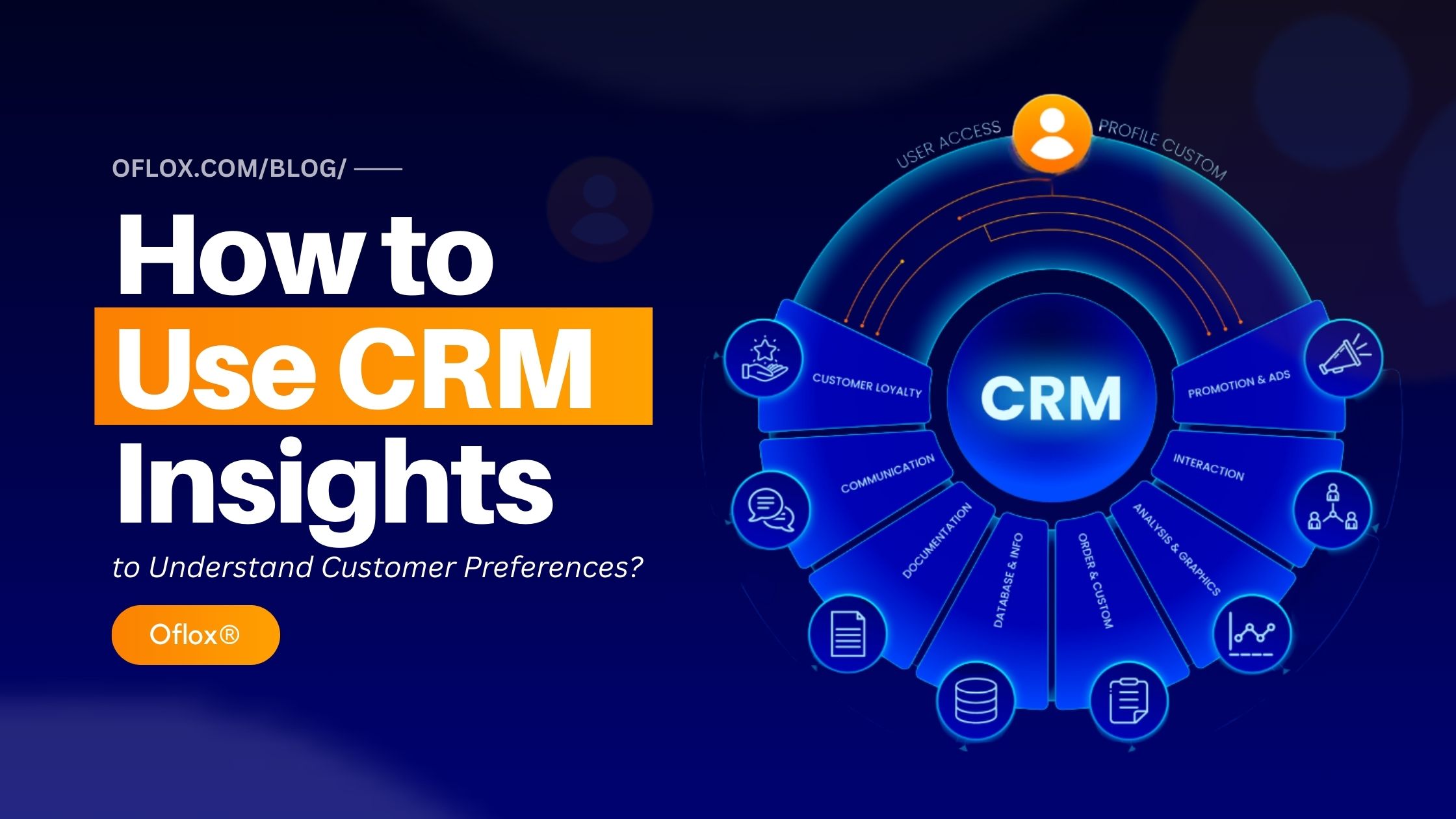
In this article, we will explore how CRM insights work, why they are important, and how businesses can use them effectively to understand customer preferences and grow faster.
Let’s explore it together!
Table of Contents
The Role of CRM in Capturing Customer Data
To understand customer preferences, businesses first need a reliable way to collect and organize customer information. This is where CRM platforms play an essential role. A CRM system acts as a centralized database that stores customer details, interactions, purchase history, communication records, and engagement data across different touchpoints.
Instead of customer information being scattered across spreadsheets, emails, and separate tools, a CRM platform brings everything into one place. This centralized visibility allows businesses to track every stage of the customer journey—from the first website visit to long-term relationship management.
When sales teams log conversations, marketing teams track campaign engagement, and customer support teams record service interactions, the CRM gradually builds a complete profile of each customer. Over time, this information reveals patterns such as preferred products, communication styles, buying cycles, and service expectations.
These insights become extremely valuable for decision-making. Rather than relying on assumptions, businesses can use real customer data to understand what drives purchasing decisions and how customers interact with their brand.
Identifying Patterns Through Data Analysis
Customer preferences are rarely obvious from a single interaction. Instead, they emerge from patterns that appear over time. Businesses that analyze customer data carefully can uncover trends related to buying behavior, product interest, and engagement patterns.
For example, some customers may consistently respond to email campaigns, while others engage more through social media or live chat. Certain customers might prefer premium product options, while others prioritize affordability or quick delivery.
By analyzing CRM data, businesses can segment customers into meaningful groups based on their behavior and preferences. These segments help organizations design more targeted strategies instead of treating all customers the same.
The Benefits of CRM become especially clear when businesses use this data to personalize their approach. Marketing teams can create campaigns tailored to specific audience segments, sales teams can recommend products that match customer needs, and support teams can offer faster and more relevant assistance.
When companies understand what customers value most, they can focus their efforts on delivering those experiences consistently.
Personalizing Customer Experiences
Modern customers expect businesses to understand their needs without repeatedly asking for the same information. Personalization has become a key factor in customer satisfaction and loyalty. CRM insights allow businesses to deliver this level of personalization by leveraging the data collected from previous interactions.
For example, if a customer frequently purchases a specific category of products, the business can recommend similar items during future interactions. If a customer typically responds to promotional offers, marketing campaigns can be tailored to include personalized discounts or special deals.
Personalization can also improve communication strategies. Instead of sending generic messages to every customer, businesses can send relevant content that matches the customer’s interests and behavior.
Organizations exploring how to choose a crm often prioritize features such as customer segmentation, data analytics, and automation tools because these capabilities make personalization much easier to implement at scale. With the right system in place, businesses can deliver tailored experiences to thousands of customers without increasing operational complexity.
Understanding Customer Journeys
Another powerful way CRM insights help businesses understand preferences is through customer journey tracking. Every customer follows a unique path before making a purchasing decision. Some customers conduct extensive research before buying, while others make quick decisions based on recommendations or promotions.
CRM systems track the various stages of the customer journey, including initial awareness, engagement, consideration, purchase, and post-sale interactions. By analyzing these stages, businesses can identify where customers spend the most time and which touchpoints influence their decisions.
For instance, a company might discover that customers who read multiple blog articles are more likely to convert into paying clients. Another organization might find that product demonstrations or webinars play a crucial role in influencing purchasing decisions.
Understanding these patterns helps businesses optimize their marketing and sales strategies. Instead of guessing what works, companies can invest resources in the channels and activities that customers value most.
Leveraging Cloud Technology for Better Insights
One of the reasons CRM systems have become so powerful in recent years is the adoption of cloud technology. A Cloud Based CRM enables businesses to store and access customer data from anywhere while ensuring real-time updates across teams.
Cloud technology allows multiple departments sales, marketing, and support to collaborate using the same customer data. This shared visibility ensures that every team member understands the customer’s history and preferences before interacting with them.
Cloud platforms also provide advanced analytics capabilities that help businesses interpret customer data more effectively. These tools can generate reports, identify trends, and highlight opportunities for improvement in customer engagement strategies.
Because cloud systems automatically update data across devices and users, businesses can respond quickly to changes in customer behavior. This agility makes it easier to adapt strategies and continuously improve the customer experience.
Using Mobile Access to Stay Connected with Customers
In today’s fast-paced business environment, teams are not always working from a single office location. Sales representatives often meet clients in person, support agents may work remotely, and managers may need access to customer data while traveling.
This is where Mobile CRM solutions become extremely valuable. Mobile access allows teams to view customer profiles, update records, and track interactions directly from their smartphones or tablets.
For example, a sales representative visiting a client can quickly check previous interactions, review purchase history, and prepare a personalized discussion before the meeting begins. Similarly, customer support teams can respond to inquiries faster because they have instant access to relevant information.
Mobile access ensures that customer insights are available whenever they are needed, allowing teams to deliver more responsive and personalized experiences.
Recognizing the Benefits of Cloud-Based Solutions
As businesses grow, managing large volumes of customer data becomes increasingly complex. This is where the Benefits of cloud-based CRM systems become particularly important. Cloud solutions offer scalability, data security, automatic updates, and integration with other business tools.
Cloud-based systems can handle growing customer databases without requiring businesses to invest in expensive infrastructure. They also ensure that customer data remains secure through advanced encryption and regular system updates.
Additionally, cloud CRM platforms can integrate with marketing automation tools, analytics platforms, communication systems, and support software. These integrations allow businesses to build a complete ecosystem around customer data, making it easier to analyze preferences and improve decision-making.
With centralized and secure data management, organizations can confidently use customer insights to guide their strategies and enhance the overall customer experience.
Choosing the Best CRM for Data-Driven Insights
Not all CRM platforms provide the same level of analytical capabilities. Businesses that want to understand customer preferences effectively must select tools that support advanced data analysis and reporting.
When evaluating the Best CRM solutions, organizations should consider features such as customizable dashboards, customer segmentation tools, predictive analytics, integration capabilities, and automation features.
These features allow businesses to move beyond simple data storage and actively use CRM insights to guide decision-making. Instead of manually analyzing spreadsheets, teams can rely on automated reports and intelligent recommendations generated by the CRM platform.
The right system also makes it easier to align different departments around shared customer insights, ensuring that every team contributes to improving the customer experience.
FAQs:)
A. CRM insights are useful findings based on customer data collected in a CRM system. They help businesses understand behavior, preferences, and engagement patterns.
A. They help businesses improve personalization, customer experience, sales strategies, and long-term loyalty.
A. CRM collects data from different touchpoints and helps businesses analyze patterns in communication, purchases, and engagement.
A. Cloud-based CRM offers easy access, real-time updates, team collaboration, scalability, and better reporting.
A. Yes. Even small businesses can use CRM data to improve communication, understand customer needs, and create better marketing campaigns.
A. A good CRM should include analytics, segmentation, dashboards, automation, integrations, cloud access, and mobile support.
A. CRM stores customer history and preferences, allowing businesses to send targeted messages, offers, and recommendations.
A. Yes. Mobile CRM helps teams access customer data anytime, which improves responsiveness and service quality.
Conclusion:)
Understanding customer preferences has become a critical requirement for businesses that want to remain competitive in a rapidly evolving marketplace. Customers expect personalized experiences, relevant communication, and seamless interactions across multiple channels. Organizations that fail to meet these expectations risk losing valuable relationships to competitors who better understand their audiences.
CRM insights provide businesses with the tools and data needed to gain a deeper understanding of their customers. By centralizing customer interactions, analyzing behavioral patterns, and tracking the customer journey, companies can uncover valuable insights that drive better decision-making.
When used effectively, CRM systems enable businesses to move beyond generic marketing and standardized service models. Instead, they empower organizations to build meaningful, data-driven relationships with their customers.
Ultimately, businesses that leverage customer insights successfully are better positioned to deliver exceptional experiences, improve customer loyalty, and achieve sustainable long-term growth.
“Businesses grow faster when they stop guessing and start understanding what their customers truly want.” – Mr Rahman, CEO Oflox®
Read also:)
- What is CRM in Digital Marketing: A-to-Z Guide for Beginners!
- 15+ Best CRM for Real Estate: A-to-Z Guide for Beginners!
- 10+ CRM for Travel Agency: A-to-Z Guide for Beginners!
Have you started using CRM insights to understand your customers better? Share your experience or ask your questions in the comments below — we’d love to hear from you!