This article offers a professional guide on What is Vernacular Marketing. If you want to learn what it means, why it’s important, and how to use it for your business, keep reading for useful tips and real-life examples.
In India, where over 22 official languages and hundreds of dialects exist, creating a marketing campaign in just one language—usually English—is like talking to only a small part of your audience.
That’s why brands today are shifting their focus to something more local, more emotional, and more impactful. That approach is called Vernacular Marketing. But wait—what is vernacular marketing exactly? How does it work? Why are companies like Amazon, Flipkart, Swiggy, and even small businesses in India adopting it?
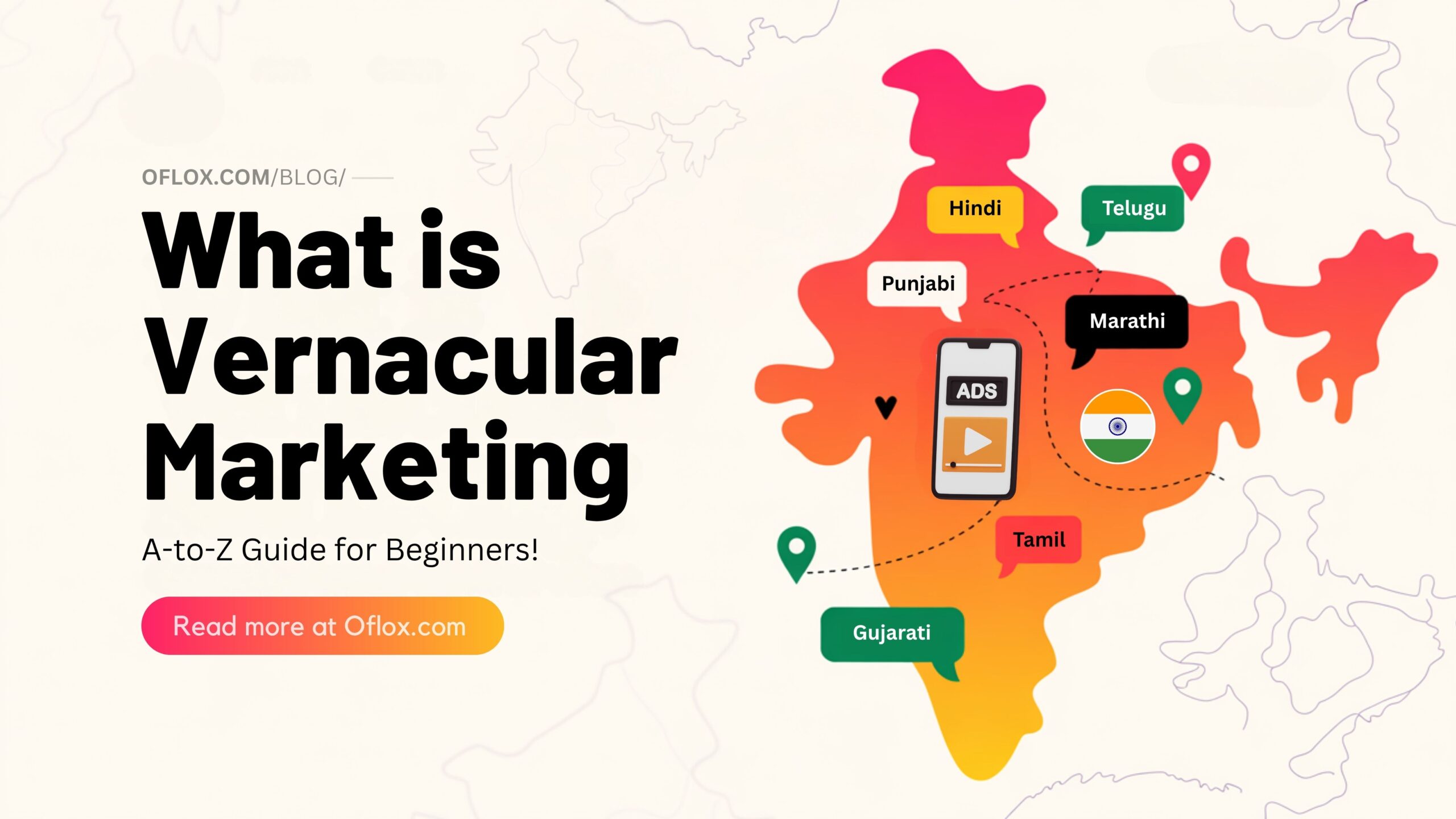
In this article, we will explore what vernacular marketing is, why it’s crucial for the Indian market, how to implement it, the tools you can use, and examples of it done right.
Let’s explore it together!
Table of Contents
What is Vernacular Marketing?
Vernacular marketing means creating and promoting your marketing content—like ads, blogs, corporate marketing videos, and social media posts—in the regional language that your target audience speaks and understands.
It’s not just about translating content from English to Hindi or Tamil. It’s about adapting your message, tone, culture, and emotional appeal so that people feel like the brand is speaking directly to them.
For example, If you’re selling a water purifier in Bihar, an ad in Bhojpuri or Hindi will perform far better than one in English. Why? Because people trust and understand their local language better than a formal or unfamiliar one.
Why is Vernacular Marketing Important in 2025?
India is not an English-speaking country in the true sense. English is used for business, but most people think, feel, and communicate in their mother tongue.
Let’s break down why vernacular marketing matters so much in 2025:
- Explosion of Non-English Internet Users: According to a Google-KPMG report, 90% of new internet users in India prefer regional languages. By 2025, over 750 million Indians will consume content in vernacular languages.
- Smartphone & Rural Growth: Cheaper smartphones + low-cost data = more users from Tier-II and Tier-III cities. These users demand content in their local language, not English.
- Emotional & Cultural Connection: Language is tied to culture, values, traditions, and emotion. When a brand speaks in the customer’s language, it builds trust and loyalty.
- Higher Engagement & Conversion: Ads in regional languages often deliver a 2X CTR (Click-Through Rate) compared to English. Vernacular content = more views, more clicks, more sales.
Indian Language Internet Usage
Here’s a quick table based on 2024 usage trends:
| Language | Internet Usage (%) | States/Regions |
|---|---|---|
| Hindi | 44% | UP, Bihar, MP, Rajasthan |
| Bengali | 9% | West Bengal, Tripura |
| Telugu | 7% | Andhra Pradesh, Telangana |
| Tamil | 8% | Tamil Nadu |
| Marathi | 6% | Maharashtra |
| Kannada | 5% | Karnataka |
| Malayalam | 3% | Kerala |
| Gujarati | 3% | Gujarat |
Vernacular Marketing vs Multilingual Marketing
| Feature | Vernacular Marketing | Multilingual Marketing |
|---|---|---|
| Focus | Cultural + linguistic fit | Language translation only |
| Depth of Localization | High | Moderate |
| Targeting | Hyperlocal | National or global |
| Example | Tamil ad with Pongal references | Ad translated into Tamil |
How to Create a Vernacular Marketing Strategy
Let’s understand this with 5 major steps you can follow:
Step 1: Understand Your Audience’s Language Preference
Use tools like Google Analytics or Meta Ads Manager to find:
- Location of users
- Preferred browser/app language
- Conversion by region
Step 2: Choose the Right Languages
Don’t try to cover all 22 languages at once. Start with:
- Hindi for North India
- Tamil for South
- Marathi or Bengali, depending on the target zone
Step 3: Localize Your Content
Don’t just translate—localize. This means adapting:
- Tone and dialect
- Local slang or phrases
- Cultural references
- Regional festivals or events
Example: Don’t say “Buy now” in all languages. In Tamil, say “இப்பவே வாங்குங்க!” for emotional urgency.
Step 4: Use Vernacular-Friendly Platforms
Some of the best Indian platforms that support vernacular audiences:
- ShareChat
- Dailyhunt
- Moj
- YouTube (Regional Ads & Shorts)
- WhatsApp (Broadcast in local languages)
Step 5: Measure Performance & Optimize
Track engagement (likes, shares, CTR, bounce rate) based on language, platform, and content type. Use these insights to grow faster.
Benefits of Vernacular Marketing
| Advantage | Explanation |
|---|---|
| Wider Reach | Tap into Tier-II, III cities |
| Better Understanding | Clearer messaging in the mother tongue |
| Emotional Trust | Builds long-term loyalty |
| Higher ROI | Lower CPC, higher engagement |
| Word-of-Mouth | People are more likely to share local-language content |
How to Start Vernacular Marketing?
Here is a step-by-step strategy for beginners and businesses in India:
- Start Small: Pick 1-2 key languages where your audience is active.
- Translate Smart: Don’t use Google Translate alone. Use ChatGPT + native editor.
- Video First: Create Reels or Shorts in local language (low cost, high impact).
- Festivals = Opportunities: Run offers or storytelling campaigns around local events like Holi, Pongal, Bihu, etc.
- Use Vernacular SEO: Optimize blog & website with Hindi or Tamil keywords using Oflox’s Vernacular SEO Toolkit.
- Track Everything: Use UTM tags, Facebook breakdowns, or YouTube region filters.
5+ Best Tools for Vernacular Content
| Tool Name | Purpose |
|---|---|
| Google Translate + Grammarly | Quick translation + grammar |
| Oflox® SEO Toolkit | Local keyword tracking, blog SEO |
| Lokalise / Smartling | App or website localization |
| Canva | Local banner designs |
| Text-to-Speech (e.g., Murf.ai) | Regional voice-overs |
| YouTube Subtitle Studio | Auto-generate multilingual captions |
FAQs:)
A. Because most Indians are more comfortable with their native language than English. Local-language content leads to better engagement, trust, and conversions.
A. Not necessarily. With tools like Oflox® Multilingual Service and AI, you can do it efficiently with limited budgets.
A. It helps them connect with their local customer base more effectively and build trust.
A. ShareChat, Moj, Josh, and Facebook regional groups are powerful platforms.
A. For regional audiences, yes. It increases relatability and engagement.
A. Lokalise, ShareChat Ads, Vernacular.ai, and Oflox’s end-to-end services.
Conclusion:)
So now you know—what is vernacular marketing? It’s a powerful strategy that connects your brand to people’s hearts, not just their screens.
In India, where trust is everything, speaking in someone’s native tongue can break barriers and build long-term relationships. From SEO to video ads, email campaigns to websites, local language is the key to scale in 2025 and beyond.
Read also:)
- How to Learn Digital Marketing for Free: A Step-by-Step Guide!
- What is UGC in Digital Marketing: A Step-by-Step Guide!
- What is ROAS in Digital Marketing: A Step-by-Step Guide!
Have thoughts or questions about vernacular marketing? Drop a comment below and let us know which regional language your brand is planning to explore next!